
How to Reconnect With Your College Batch After a Decade
By AlumniPulse Editorial
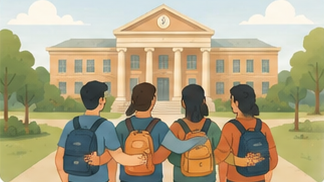
Ten years can change almost everything — except the memories you made together.
You may have started college as a group of young students with shared classrooms, late-night conversations, campus adventures, exams, friendships, and dreams for the future. Then graduation happened. People moved to different cities and countries. Careers took off. Families grew. Phone numbers changed. Social media accounts disappeared. And the classmates who once felt like family slowly became names in old photographs.
Then one day, you find yourself wondering: "Whatever happened to everyone?"
The good news is that reconnecting after a decade is absolutely possible. In fact, a 10-year milestone can be the perfect opportunity to bring your college batch back together.
AlumniPulse.net can make that process easier by giving your batch a permanent digital home where classmates can find one another, communicate, organize reunions, and preserve the story of your class.
Why Reconnect After Ten Years?
A decade is long enough for everyone's life to have changed — and that is precisely what makes a reunion interesting.
Some classmates may have built successful careers. Others may have started businesses, moved overseas, changed professions, raised families, traveled the world, or taken completely unexpected paths.
A reunion isn't simply about remembering who you were at 20 or 22. It's about discovering who everyone became. It can also be an opportunity to renew friendships that were interrupted by distance and life circumstances. University alumni organizations commonly describe reunions as opportunities to reconnect, reflect, and relive shared experiences. (University of Birmingham)
Step 1: Start With Your College
Before searching for individual classmates, identify the institution where your paths crossed. On AlumniPulse.net, start by finding your college or university. Then look for the relevant:
- Campus
- Department
- Course or program
- Class and graduation year
- Batch
- Student organization, club or society
This creates the foundation for rebuilding your network. If your institution isn't yet listed, you can suggest it so the community can be added to the growing global education directory.
The goal is to make the institution itself the starting point — rather than relying entirely on someone's personal contact list.
Step 2: Reconstruct Your Batch
Ten years later, you may not remember everyone's current name, location, or contact information. Start with what you remember. Create a list of:
- Classmates, roommates and project partners
- Friends and class representatives
- Club members and sports teammates
- Teachers, professors and department colleagues
- Students from neighboring sections
- People who graduated in the same year
Old class photographs, yearbooks, college magazines, certificates, email archives, and social media memories can be surprisingly useful. Don't worry if your list is incomplete. Start with five people. Then let those five help you find fifty.
Step 3: Create Your AlumniPulse Batch Group
Once you've identified your class or batch, create an AlumniPulse alumni group for it. For example: "Class of 2016 — Computer Science — XYZ University", or "MBA Batch 2016 — ABC Business School".
The group becomes the permanent online home for your batch. You can add information about your institution, campus, department, course, graduation year, class memories, and photographs that help classmates recognize the community. Most importantly, the group can continue to exist long after the reunion is over.
Step 4: Invite the First Few Classmates
Don't wait until you have everyone's contact information. Invite the people you already know. Ask each person to invite three to five classmates.
Those people invite others. Someone remembers a roommate. Another remembers a class representative. Someone else still has an old batch email list. Another person knows where a former classmate moved. This creates a powerful chain of reconnection.
University reunion planning guides commonly recommend forming a small organizing team and using classmates themselves to help locate people who have become difficult to reach. (LBJ School of Public Affairs)
Step 5: Use Search to Find Lost Classmates
This is where AlumniPulse can become especially useful. Instead of asking "Does anyone have Rahul's phone number?" you can search for the person through the educational connection you remember. Try details such as:
- Name + College + Graduation Year
- Name + Department + Batch
- College + Class + City
The more information available, the easier it can become to distinguish between people with similar names. And if you find someone, you don't necessarily need their private contact information. Use AlumniPulse's search-and-message system to send them a message through the platform.
For example: "Hi Anita! I think we were classmates in the 2016 Computer Science batch at XYZ University. I'm helping reconnect our batch after ten years. We'd love to have you join us!" A simple message can reopen a friendship that has been quiet for a decade.
Step 6: Don't Make the First Message About the Reunion
This is an important tip. If someone hasn't heard from you in ten years, don't immediately send: "We are organizing a reunion. Please pay $100 and RSVP."
Start with the relationship. Say hello. Remind them where you knew each other. Share an old photograph. Ask how they are doing. Then introduce the reunion.
For example: "Hey Mike! It's been almost ten years. I found an old photo from our final-year project and realized how long it's been. We're reconnecting our 2016 batch on AlumniPulse and would love to have you join us. How have you been?" The objective is not simply to increase attendance. It's to restart the friendship.
Step 7: Create a Permanent Batch Chat
Once your group starts growing, use the group's persistent chat to keep the conversation alive. Instead of creating another temporary messaging group that eventually becomes inactive, your AlumniPulse batch community can remain connected to the institution, class, batch, events, and member profiles. Use the conversation for:
- Introductions and old photographs
- College memories and announcements
- Reunion planning and career updates
- Congratulations, questions and recommendations
- Mini-reunions and virtual meetups
And remember: not everyone will respond immediately. Some people may discover the group months or years later. That's one of the advantages of creating a persistent community rather than a one-time reunion chat.
Step 8: Create a "Where Are We Now?" Thread
One of the most interesting parts of a 10-year reunion is discovering what happened after graduation. Ask everyone to share a simple update:
- Name and where they live
- What they do and their family
- What they're working on
- A favorite college memory
- Something they wish they knew in college
- What they'd like to reconnect about
You can turn these updates into a living batch directory. Over time, the group becomes more than a list of names. It becomes a snapshot of an entire generation of classmates.
Step 9: Build Your Education Timelines
Your college years are only one part of your educational journey. AlumniPulse can allow members to build a full education timeline covering schools, colleges, universities, campuses, departments, courses, classes, and batches. This can create fascinating connections. You may discover that:
- Two classmates attended the same primary school.
- Someone from another department went to your high school.
- A professor taught one of your friends years earlier.
- Two alumni later attended the same graduate school.
- A former classmate now lives in the same city as you.
Your educational history becomes a network of connections rather than simply a list of institutions.
Step 10: Plan the Reunion
Once enough classmates have reconnected, create the actual event. Keep the first reunion simple. It could be:
- A dinner or coffee meetup
- A campus visit
- A weekend gathering or family picnic
- A virtual or hybrid event
- A professional networking evening
- An informal gathering at a favorite college location
Experienced university reunion guides generally recommend starting early, forming a small organizing committee, choosing the format and date, establishing the budget, and then building the invitation and RSVP process. (LBJ School of Public Affairs) You don't need an elaborate event. The people are the event.
Step 11: Let AlumniPulse Manage the Event
Create the reunion directly inside your AlumniPulse community. Add:
- Event name, date and time
- Location and description
- Organizer information
- RSVP deadline and guest information
- A virtual meeting link, if applicable
Then invite your batch. Members can respond to the event and organizers can keep track of participation. This is particularly useful when classmates are scattered across different cities and countries.
Step 12: Make the Reunion About Memories
A reunion shouldn't feel like a business conference. Bring back the things everyone remembers. Create a "Then & Now" collection. Ask classmates to submit:
- Old college, graduation and hostel photographs
- Sports pictures and cultural event photos
- Class photographs and old ID cards
- Certificates and newspaper clippings
- College magazine pages
- Funny stories, favorite professors and campus locations
Then add current photographs alongside them. The result can become a visual history of your batch.
Step 13: Invite Teachers
Don't forget the people who taught you. Professors, lecturers, instructors, coaches, advisors, and administrators were part of your journey too. If appropriate and with their consent, invite former teachers to participate in your community or reunion.
Imagine a reunion where a professor who taught your class 10 years ago can see what happened to the students. That can be one of the most meaningful parts of the event.
Step 14: Include the People Who Can't Attend
Not everyone will be able to travel. Someone may live on another continent. Someone may have young children, work commitments, or simply be unable to attend. Don't let physical distance exclude them.
Offer a virtual option. Add a video meeting link to the event and allow remote classmates to participate. Afterward, share photographs, messages, and highlights so those who couldn't attend can still experience part of the reunion.
Step 15: Don't Let the Group Disappear After the Reunion
This is perhaps the most important step. A reunion should be the beginning, not the end. The biggest risk is spending months reconnecting everyone, holding one wonderful evening, taking hundreds of photographs — and then allowing the community to become silent again.
Keep the AlumniPulse group active. Celebrate new degrees, new jobs, achievements, family milestones, new businesses, relocations, birthdays, anniversaries, professional accomplishments, and new friendships. Organize an informal meetup whenever several classmates happen to be in the same city. University alumni guidance also emphasizes continued engagement and smaller informal gatherings between major reunions. (Dartmouth Classes)
What If You Can't Find Everyone?
Don't let that stop you. Your first objective isn't to find 100% of your class. It's to create a place where the people you can find can reconnect.
Every new member can become another link in the chain. Someone may say "I know where Priya is." Another might say "John moved to Australia." Another may recognize a photograph. Another may know the teacher who still has an old class list. And eventually, one person may discover the person you've been looking for. Finding one person can lead to finding another.
Make Your 10-Year Reunion the Start of Something Bigger
Ten years after graduation, you aren't the same people who walked out of the college gates. That's the beauty of it. You have stories now — careers, families, businesses, successes, failures, experiences, lessons, and perhaps a little more appreciation for the friendships that seemed ordinary when you were young.
A 10-year reunion gives you an opportunity to bring all of that together. With AlumniPulse.net, your batch can have more than a reunion invitation and a temporary group chat. You can create a permanent digital community connected to your institution, your classmates, your education timelines, your conversations, your events, and your memories.
Start With One Person
You don't need to find everyone today. Find one classmate. Send one message. Create one group. Invite a few friends. Then let the network grow.
Ten years ago, you shared a classroom. Today, you can reconnect the whole class.
Find your institution. Find your batch. Find your people. Reconnect the past. Connect the present. Build the future.
How to Reconnect With Your College Batch After a Decade Talk – Vibes
Remember something we missed? Add a memory or ask the community. · 0 posts
Be the first to start the conversation
Share a memory, ask a question, or look for a classmate.